Showing posts with label Red House Farm. Show all posts

Thursday, 2 October 2014

A Suburban Wilderness

This past Summer I've been working with BBC Inside Out close to home, in an area close to my heart. The place which developed my interest and passion for the Natural World, the place you can say I found myself. My suburban wilderness.
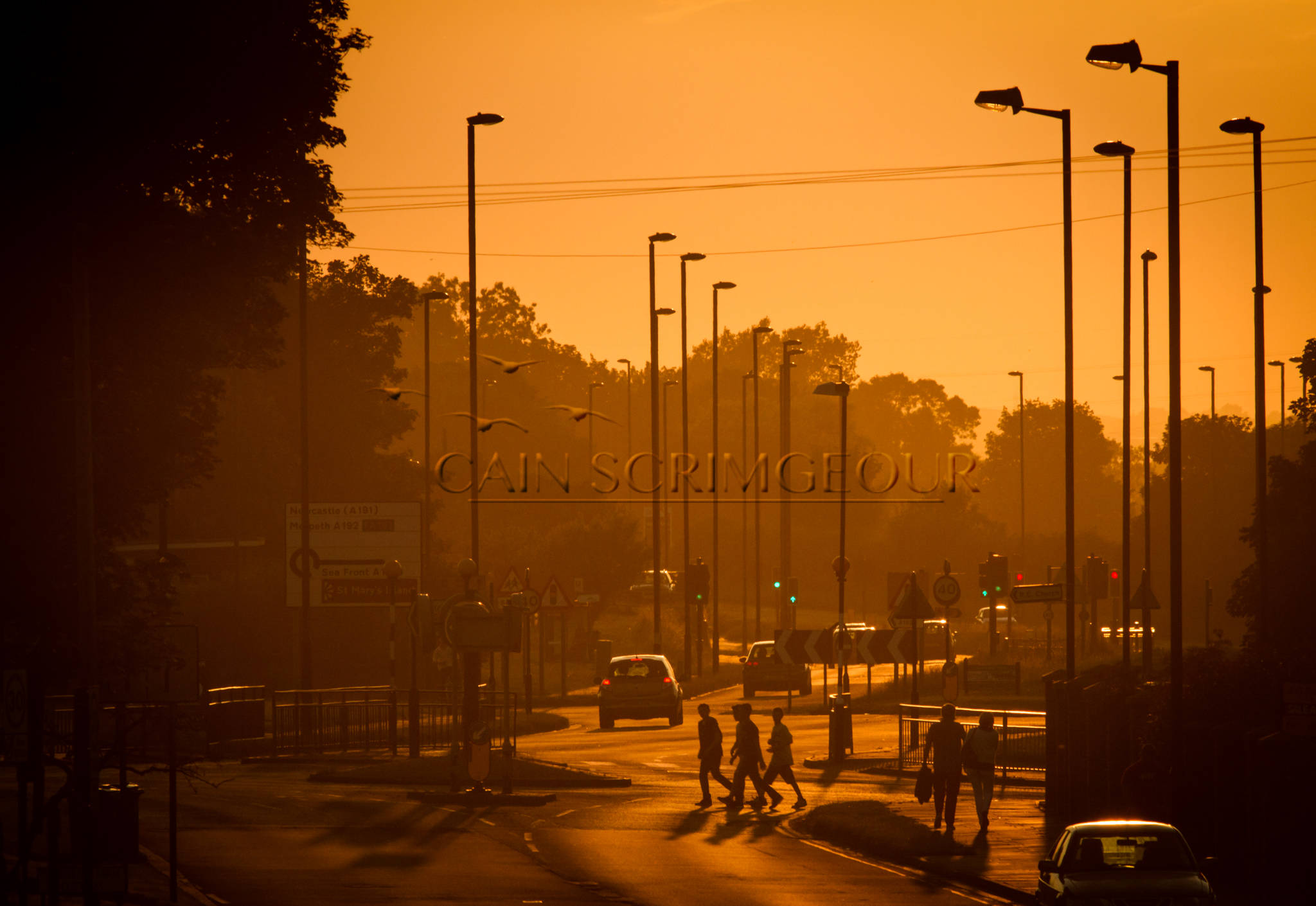
IMG_6663
I've grown up in Whitley Bay, on the edge of the Green Belt, the forefront of housing development. My passion for the natural world developed in areas of land which were left around the housing estates, wastelands as some people call them. I've always seen them as wild, but it wasn't until reading Feral by George Monbiot, that it dawned on me, these areas are wildernesses. After the initial act which creates them, either planting, surface works, or just dereliction, they are by majority, left free to naturally grow and develop.
IMG_3261
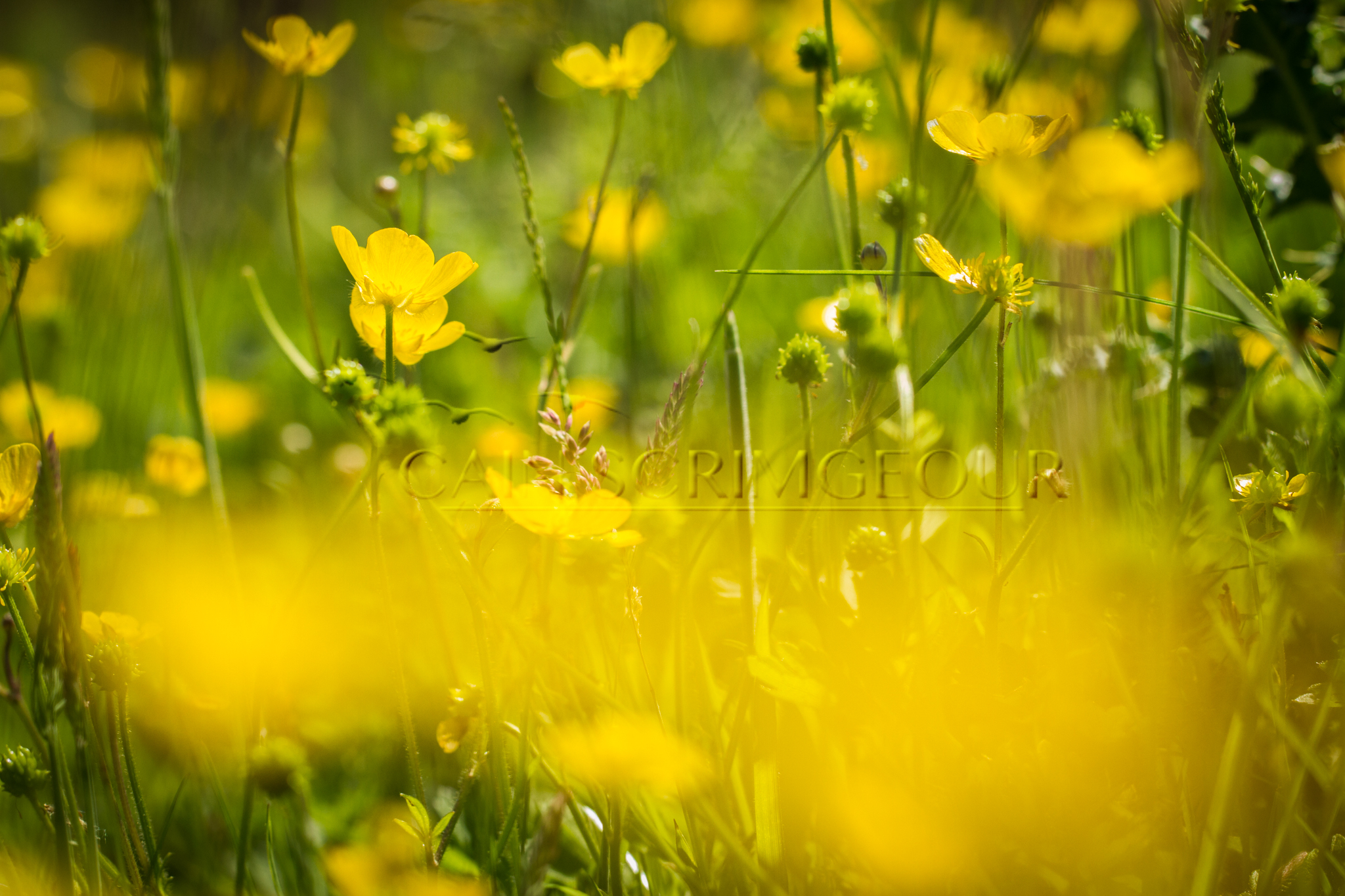
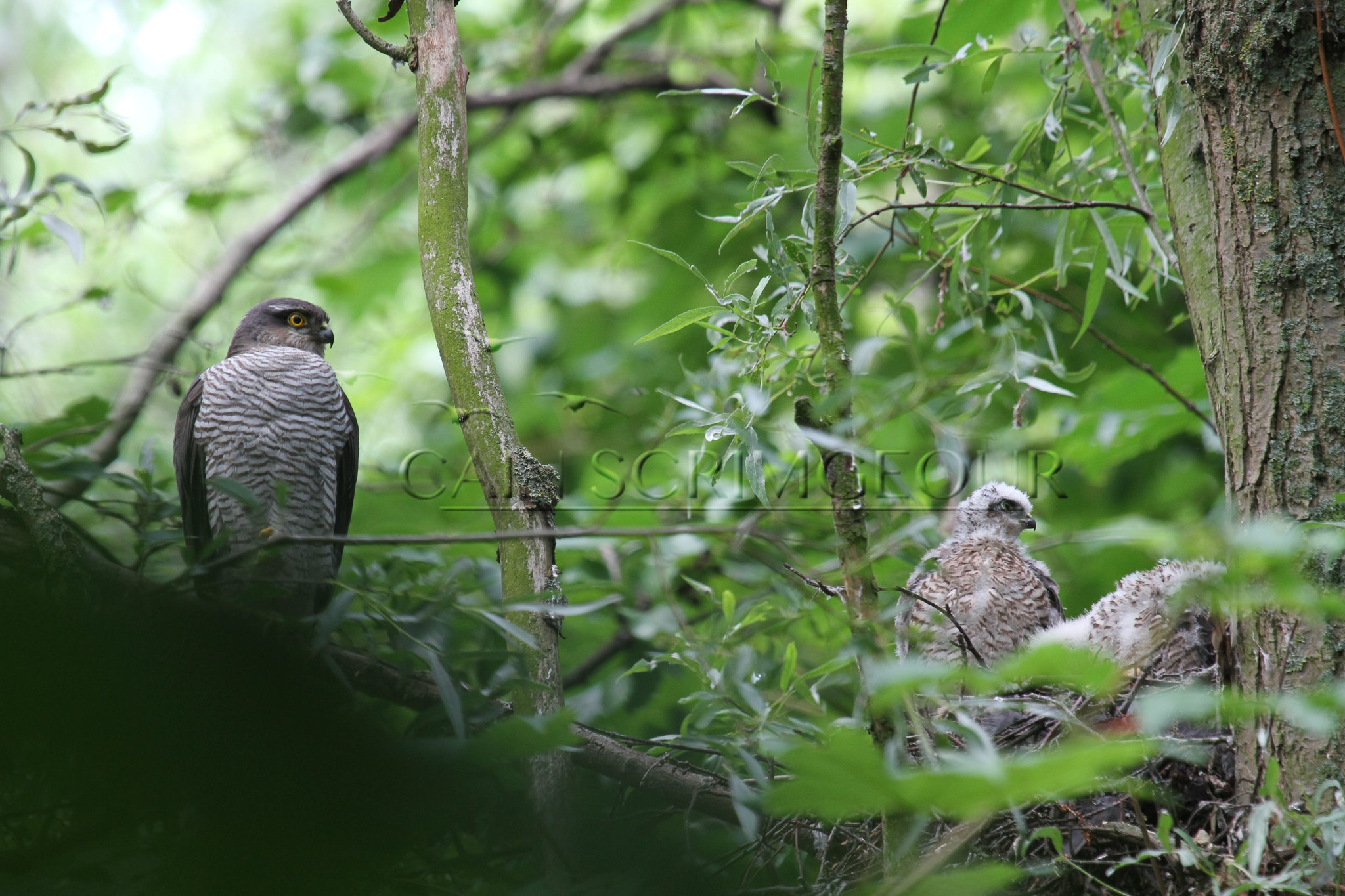
Unfortunately these are seen as wasteland sites, and sites which are said they can't be built on, in the end are. We have two larger areas left, one a mix of concrete bricks, grassland and hawthorns, the other a planted wood and a now stunning meadow. The rest consists of fragment 30-40 year woodland, and 20 year old shelter belts. One of these fragmented woodlands I've been familiar with since a child. Although its size is deceiving this is the wildest place I know, its like stepping into a place that had been forgotten, by man anyway. In the summer the floor is dominated by greenery, sticky weed up to your chest, giving home to the Fox, but also species which are associated with old woodland, such as the Speckled Wood Butterfly. The only pair of Blackcaps in my estate breeds there, and its also home to my most treasured species, the Sparrowhawk, raising its family undisturbed here for as long as I can remember.
Mr
At the beginning of the year a new development began to change my suburban wilderness, an area directly connected, a corridor into the surrounding green belt was steadily removed. Not only effecting the wildlife on them particular fields, but also the wildlife of my patch, the place which had let me grow. I found myself angry.
'Progress I’m told, progression to what, the end?
The Green Belt is a brilliant idea, its unfortunate that it doesn’t live up to its name, it should be called the ‘progression zone’, or more aptly encroachment zone, with every sq metre of green land steadily getting encroached upon, with the blight of an urban lifestyle.
‘Suburban’ estates which are increasingly devoid of green, 3 metre front gardens, gravelled, with big steel fences enclosing them, wider tarmac paths and roads, houses squeezed side by side with just enough space to fit a wheelie bin down. Boxed back gardens with huge fences, like mini fortresses designed to keep everything out out and everything in in. Like the buildings themselves, no holes, no chance of a gap in the eaves, facer boards, or tiles, nowhere for insects to make their homes, never mind, House Sparrows, Starlings, Swifts, and Bats.
At least there’s still some wildlife corridors, the little voice in my head says, unfortunately not, wildlife corridors to what, monoculture crops? Wildlife unfriendly farms? And with 200 houses brings at least two hundred people, more like 800, and where do their gardens back onto? Where do they walk their dogs? The bottleneck that is now the ‘wildlife corridor’, 10 metres wide at the most, cleared of any greenery. The wildlife has nowhere to go but up or down, no escape into the impenetrable fortresses.
So in the end, a fragmented habitat, loosing its possibilities of what ifs, changing behaviours of its resident species, and cutting off those childhood lands. You can only hope that the time its been given has been enough, enough to develop those unique habitats, developed them enough to inspire people to protect them, or the endless goal of progression (greed) continues.
As I watch those dark storm clouds pass over ahead and the brilliant orange sun sets, I know all will be well in the end. It won’t be the end they were expecting, nature will reclaim its lost lands.'
There was nothing I could do to stop the development, but I wasn't going to sit back and watch my suburban wilderness become the next victim of man's 'progression'. Maggie Latham from BBC Inside Out contacted me after reading one of my suburban wilderness blogs, commissioning a short film on the area. I had a platform for my voice. Behind the scenes I began gaining a greater picture of the site, recording all that I found, constructing a report with the data.
The site held:
  • Three Newcastle and North Tyneside BAP Priority mammal species (West European Hedgehog, Otter and Common Pipistrelle); two of which are also UK BAP Priority species.
  • One UK and North Tyneside BAP Priority species of butterfly (Wall).
  • One Newcastle and North Tyneside and UK BAP Priority species of amphibian (Common Toad).
  • Six Newcastle and North Tyneside BAP Priority bird species (Dunnock, House Martin, House Sparrow, Song Thrush, Starling and Swift), plus four UK BAP Priority species (Common Bullfinch, Linnet, Reed Bunting, Tree Sparrow and Yellowhammer).
This report is now with North Tyneside Council, in the hope that the area can be protected, gaining a Local Nature Reserve status, which will hopefully protect the areas wildlife, but also help introduce more people to the area, building a community of people who appreciate its wonders. These areas are vital for children's connection to nature in an urban environment, but also vital for nature itself.
Watch my BBC Inside Out short film below:
Read my feature in the Journal here.

Friday, 23 November 2012

Waxwings !

On my way back from walking the dogs this evening I heard the familiar 'trilling' of the Waxwing, looking back I found two birds feeding on the berries amongst the Hawthorns. These individuals weren't my first Red House Farm Waxwings, but they were the first that showed well. The hedgerow they were in runs along Monkseaton Drive, behind Sainsbury's, I've long awaited these winter migrants to visit this area as it always seems to produce a good number of berries.

There was just enough time and light left for me to run the dogs home, and run back out with the camera. Unfortunately it was too dark for stills, but here's a bit of footage. (Best viewed in HD)

]


Hopefully they'll stick around for tomorrow.

Monday, 18 June 2012

A Nice Surprise...

It's been a while since I last walked through Red House Farm, last night I walked the dog through the area and was pleased to find it carpeted in wild flowers. One in particular caught my attention.


The Bee Orchid Ophrys apifera.


This was the first time I've seen this species, making it even more special that I found it on patch! I could only find two plants in the immediate area.


Instantly recognisable the Bee Orchid appears to have a bumble bee resting on its petals, this is in fact the lip of the flower, adapted with the purpose of attracting a male bee to pollinate the flower. The false bee resembles a female bee, which male bees are attracted to, and in turn try to mate with the false flower, which allows the transference and pollination of the plant. Although it is written that in British Bee Orchids the plants usually pollinate themselves.


Tuesday, 17 April 2012

BTO Nest Record Scheme

This morning my BTO Nest Record Scheme pack arrived, I'd been inspired through the work of Kane and Gillian. Taking a break from my final project I headed over to Red House Farm, mainly to check the bird boxes (courtesy of Wellfield Middle School) I had put up over the winter, in an attempt to hold the visiting Tree Sparrows.


Unfortunately the Tree Sparrows haven't used the boxes, although at least one bird is still present, calling from within the Hawthorns. Thankfully 2 out of 3 boxes are in use, both by Tit species. Both Blue Tit and Great Tit were calling in the vicinity. Box RHF Box 2 contained a half built nest, and RHF Box 3 had just recently begun gaining nesting material.


The area holds a huge number of breeding Wood Pigeons, although most are inaccessible. After searching some of the lower Hawthorns I eventually found this nest with 2 eggs. 


And for anyone interested, the post mortem for the Buzzard I found February 2011 in Cliburn Moss (near Penrith) was sent through today. Glad to see it hadn't been poisoned or shot. (double click for larger view)


Saturday, 1 January 2011

Looks like its going to be a good year...

Red House Farm does it again.


Today started with my sister and I meeting SW at the back track, heading to Holywell. There wasn't a great deal of life on the walk to the pond, apart from 13 Curlew at the Brierdene Farm and 300+ mixed flock of Pink-Footed and Greylag Geese feeding in the fields adjacent to Crow Hall Farm.


The pond itself is thawing although still fully frozen, therefore there is still a ghostly lack of wildfowl, thankfully the feeding station is still busy. A dapper male Brambling and a female were showing well, 12+ Greenfinch, 8+Chaffinch, Great Tit, Blue Tit, Coal Tit, 3 Pheasant, 1 Mistle Thrush, Great Spotted Woodpecker, Blackbird, Dunnock, Robin and 5 Moorhen. A male Kestrel was sitting on the Obelisk, 1 Common Buzzard flew the length of the North Wood (East to West), a Nuthatch could be heard calling and 8 Carrion Crows were savaging on the ice. As we walked past the public hide a large flock of 30+ Greenfinch was a pleasant sight.


As we walked back I reminded SW about the Tree Sparrows at RHF, this was our next stop. As we entered the estate we picked up a couple of Siskins in some young Alders, a first for the patch. The 30 Mallard on the pond has now dropped to 13 and a large number of passerines were in the adjacent hedge, mainly Chaffinch although Great Tit and Blue Tit were also present. At first the Tree Sparrows were not to be found, then I heard one, then saw one, in the end 14 birds were present, although it was very difficult to gain views, before they skulked into the Hawthorn. As we tried to get some better views I heard a trill, for the second time I didn't believe my ears, I immediately stopped and listened again, another trill, and another, then 9 Waxwings flew overhead, another first for the patch and a lifer for both SW and my sister, only a shame we couldn't relocate them.


Just shows you, the smallest patch can still throw in surprises.

Tuesday, 28 December 2010

An Unbelievable Patch Tick

Ever since I have lived in West Monkseaton, and ever since my mother would let me out her sight, the surrounding areas have been a great resource and influence in the development of both myself and my passion. As I grew, so did the area, one by one, the close to home wild spots, places which I believe, were vital to my love for nature, but also the respect and understanding of nature by other kids in the street, were developed. We used to build fires, dens, catch grasshoppers, climb tree's, play fox and hounds, as all kids of my generation and older generations did.

Eventually our street, once the last line of houses before vast agricultural land, became surrounded, although one area in particular still remained free. This area was the new bungalow development, North of Sainsbury's, which is now Red House Farm. I can remember as a kid, following older kids (without permission from my mother) to catch frogs in its small pond, from then on the small woods of the area became my home, with the pond being at its centre. I knew every tree, every rock, every nook and cranny, and every bit wildlife intimately. Countless hours were spent, in what seemed to be a huge woodland, it was my wood.

As I began to get more involved in Bird Watching it became my first 'Patch' and its threw up some interesting things over the years. One of the earliest I can remember is a Red-Crested Pochard on the pond, if you've ever visited the pond you wouldn't believe this to be possible. In later years a female Kingfisher wintered for a couple of years on and off, and my photograph made Brian's article in the Newcastle RSPB Newsletter. Other birds of the sites interest included a steady increase in Great Spotted Woodpecker sightings, as well as Warbler activity, winter visits from Tawny Owls, and in these recent winters the addition of Woodcocks to the patch.

But today, a species which I had never dreamed of seeing so close to home, as I followed the small footpath along the side of the pond I heard a call, a call which my head told me I shouldn't be hearing, and sure enough my eyes confirmed it, there was at least 8 Tree Sparrows in the Hawthorn. There is nothing better than finding a new species on the patch.

On the pond there was over 30 Mallard, presumably from the frozen Holywell Pond, and also a large number of Woodpigeon were building in the woods, over 200 coming in to roost.

Wednesday, 6 January 2010

Moving South

My little sister was off school today due to the snow so we took the dog for a walk through the fields. There was 5+ inches of snow, and at least double that in the drifts, the wind was bitter and cut straight through you. We reached the bottom ditch and flushed a Snipe, we stood watching the snow moving across the ploughed field, like sand at the beach.

The usual Magpies, Carrion Crow, Woodpigoen and Herring Gulls around whilst we played in the snow, I a wagtail caught my eye near to the BeeHive Pub, it turned out to be an adult male Grey Wagtail, a male Chaffinch was also present in the Hedgerow.

On the way back towards home 5 skeins of geese flew overhead, from the Holywell direction heading south. 3 of the 4 skeins were Pink-Footed Geese, with numbers being over 1000 in total, the 4th skein was of 30+ Greylag Geese.

Back at home, at the moment, there's about 8 Common Gulls feeding on the shed roof, the greatest number I can remember, even the greatest in the area.

Tuesday, 5 January 2010

Started this winters day off with a walk of Red House Farm with my dog, Ruby the Short Haired German Pointer. The highlight of the walk, was when I reached the far ditch surrounding the car boot, 3 Snipe and a single Woodcock were put up, I was particularly pleased with finding the Woodcock as visits from this species are irregular at Red House Farm.

At about 14:00 I arrived at Holywell Pond, the walk down to the hide produced the regular suspects, House Sparrow, Collared Dove and Starling, but also an overhead flight of a Snipe.

SP was in the hide when I arrived, nothing new about, the pond was still mostly frozen, with the three pools now two, although the central pool has increased in size. On the left hand pool Mallard congregated 19 individuals. The larger central pool was dominated with Gulls, although 10 Moorhen and 3 Coots also made use of this larger pool. Around the main pool, and in a small group further NE on the ice 3 Great Black Backed Gull, 30+ Herring Gull, 24 Black Headed Gull and 8 Common Gull, rested, bathed and drank. Before I had left the number of Gulls had increased. Also on the ice were, Carrion Crow, Jackdaw, and Magpie.

The feeding station was fairly busy, mostly with Chaffinch, and Greenfinch although, Blue Tit, Great tit, Robin, Wren, Blackbird and a male Great Spotted Woodpecker were also present.

Other birds around included a fly over of a skein of 8 Greylag, Pheasant to the West, a Kestrel on the Obelisk, and 7 Snipe which were flushed from the Public Hide end of the Meadow. They were flushed by 'tourists', I'm all for new people visting the amazing place and reserve which is Holywell, as long as they abide by the same rules as everyone else, and use their common sense, if thats possible, for an example, possibly entering the Public Hide from the footpath, and not the shoreline? to avoid disturbing the wildlife for everyone else. Hopefully they will have realised their mistake on leaving the hide.

Whilst walking back up to the car SP and I scanned a flock of mixed Geese on the close field, it consisted of roughly 80+ birds, with the majority (64) being Greylags, and the rest Pink-Footed.

Sunday, 13 September 2009

Red House Farm

Had a walk over to Red House Farm today, just the usual about, Woodpigeon, Robin, Wren, Blackbird, Herring Gull, a Magpie family, Blue Tit, Carrion Crow, Greenfinch, Chaffinch, Linnet, a lone Moorhen at the pond, and rabbits.
Quite a lot of sloes are now showing on the Blackthorn, my dads planning on making some sloe gin this year this can't begin until after the first frost so he'll have to wait. The pond has almost been completely choked at the back due to Willow and Greater Reedmace growth, hopefully it will cut back a bit for the arrival of the Kingfisher. I lifted up a bit of old plastic tarpaulin to find a mass of cherry stones which had been chewed open, leaving small circles with serrated edges, most likely from a Wood Mouse.

Blackthorn Prunus spinosa

Cherry stone remains from a Wood Mouse